10 August 2026
Download full article [PDF]
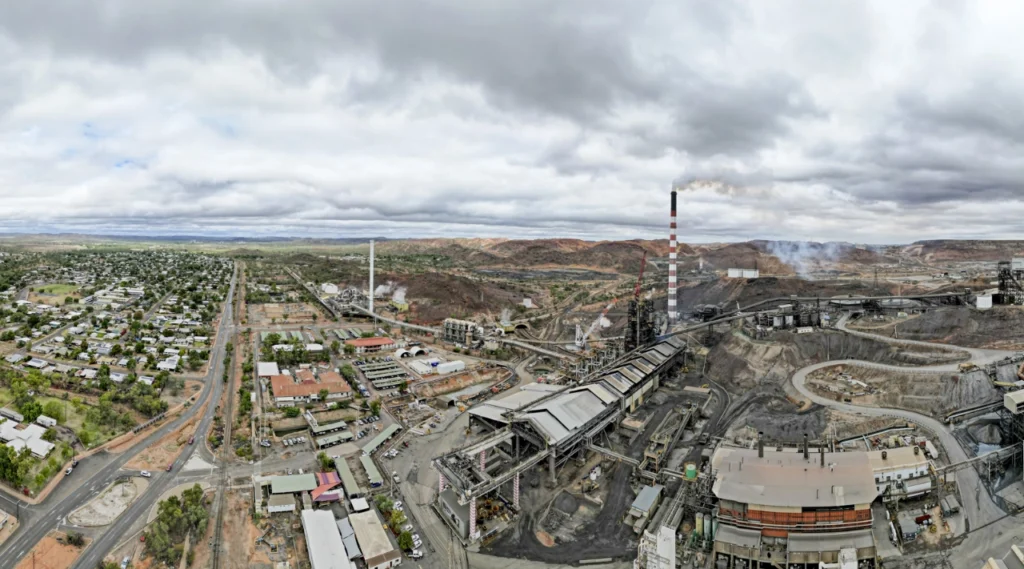
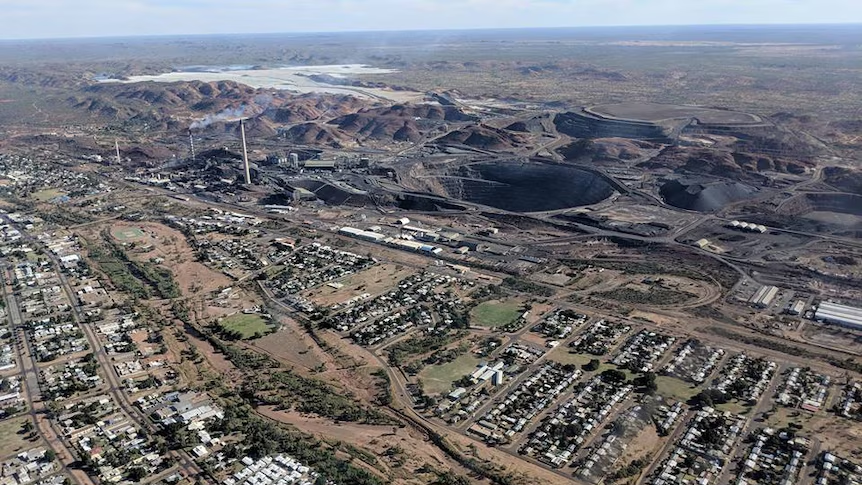
Across the North West Minerals Province (NWMP) in Queensland, Australia, typical M&A activity amongst so many participants, concentrated in this crucible of time and space, is allowing us to see potential regional configurations forming before subsequent corporate decisions are announced to the ASX or reported in the media.
In March 2026, Carnaby Resources Limited released a Pre-Feasibility Study built around toll treatment and concentrate offtake with Glencore Australia.
Four months later, Evolution Mining entered into a binding Scheme Implementation Deed to acquire Carnaby. Under the proposal, the original toll treatment pathway would be terminated and Greater Duchess would instead be assessed for integration into Evolution’s existing Ernest Henry Operations. Evolution can assess Greater Duchess not only as a collection of copper deposits, but as potential future feed for its own system.
The geology did not change.
The operating pathway did.
What is changing is the greater system those assets are forming.
Government decisions are also changing the option set: A$600 million over three years to support the Mount Isa Copper Smelter and Townsville Copper Refinery, and A$3.2 billion for the current staged development of CopperString transmission infrastructure now managed under Queensland Investment Corporation.
CopperString may change which projects become viable, where processing and other industrial activity can be located, the cost and reliability of power and the strategic value of assets along the corridor.
New renewable power generation is being developed. New downstream processing capability is emerging.
None of these participants is implementing a common regional blueprint.
Each is acting independently.
Their decisions are independent.
Their consequences are not.
Each participant responds to the regional system it envisages forming.
Through that response, it changes the system everyone else must anticipate.
That is anticipatory recomposition.
It does not imply that the eventual result will be coherent.
Not every project will proceed.
Processing plants may not secure sufficient feed.
The smelter and refinery may not become commercially self-sustaining.
CopperString may not deliver the required capacity, timing and economics for enough of the emerging industrial system.
Individually rational decisions may collectively narrow the range of viable future system configurations.
The strategic question is no longer simply which assets will be developed.
It is: what regional configuration are these independent decisions collectively creating, and what will each participant’s next decision change?
The full article below provides the detail for those making investment, operating, infrastructure or policy decisions in the region.
Image credit: Tony Nguyen
UPDATE: 17 August 2026
Since publishing Anticipatory Recomposition, possible regional configurations have already shifted.
The ownership pathway for Hammer Metals Limited changed.
On 10 August, Larvotto Resources Limited announced that it would not exercise its matching right under its Scheme Implementation Deed with Hammer. Larvotto said the terms required to match Austral’s proposal would not satisfy the value and return thresholds applied under its Strategic Plan.
On 11 August, Austral Resources Australia and Hammer entered into a binding Scheme Implementation Deed under which Austral proposes to acquire 100% of Hammer by scheme of arrangement.
The strategic relationship with Rocklands is explicit. Hammer’s Kalman copper-gold deposit is approximately 60 km from Rocklands, and the transaction identifies Kalman as potential feed for Rocklands.
The Greater Duchess development pathway has also shifted.
Carnaby Resources Limited announced on 13 August that, following agreement with Evolution Mining, it would continue critical workstreams required to support development while deferring certain non-essential activities, including finalisation of the Feasibility Study.
Following implementation of the Scheme, Evolution intends to complete an updated Feasibility Study assessing the integration of Greater Duchess into Ernest Henry Operations using latent processing capacity and existing infrastructure.
These developments make anticipatory recomposition even more visible.
The relevant unit of analysis is not simply the individual deposit, transaction or processing plant.
It is the changing relationship between ownership, feed, processing capacity, infrastructure and capital and its consequences over time.
In just days, one competing ownership pathway disappeared and another project’s development basis shifted further toward integration with an existing operating system.
Participants are not making decisions against a fixed regional configuration.
They are positioning for a future configuration.
The strategic risk is therefore not simply choosing the wrong pathway.
It is making a significant decision from an accurate assessment of the current configuration while other participants are already positioning for the configuration they expect to emerge.
In that environment, understanding where an asset sits today is insufficient.
The decision must also account for where the system is moving, what other participants are likely to do, and how the decision itself changes the options that remain available.
Because significant decisions do not simply respond to the future system. They participate in creating it.
That is anticipatory recomposition.